Jan 1, 1970
•
15 minute read

In Chile’s business environment, solar energy was long seen as a secondary topic—useful for reputation but not critical for operational efficiency. By 2026, the situation has changed. Switching to solar generation is no longer a branding gesture but a tool for increasing competitiveness, especially for small and medium-sized businesses with high electricity consumption (manufacturing, shopping centers, business centers, etc.).
Energy Costs Are No Longer Stable
After a period of frozen electricity tariffs, the country has shifted to gradual price increases. Companies now face either already higher energy costs or an expected rise in the near future. For highly competitive industries (winemaking, agribusiness, food processing, cold storage, logistics, and retail), an increase in production costs makes price management more difficult and reduces margin stability.
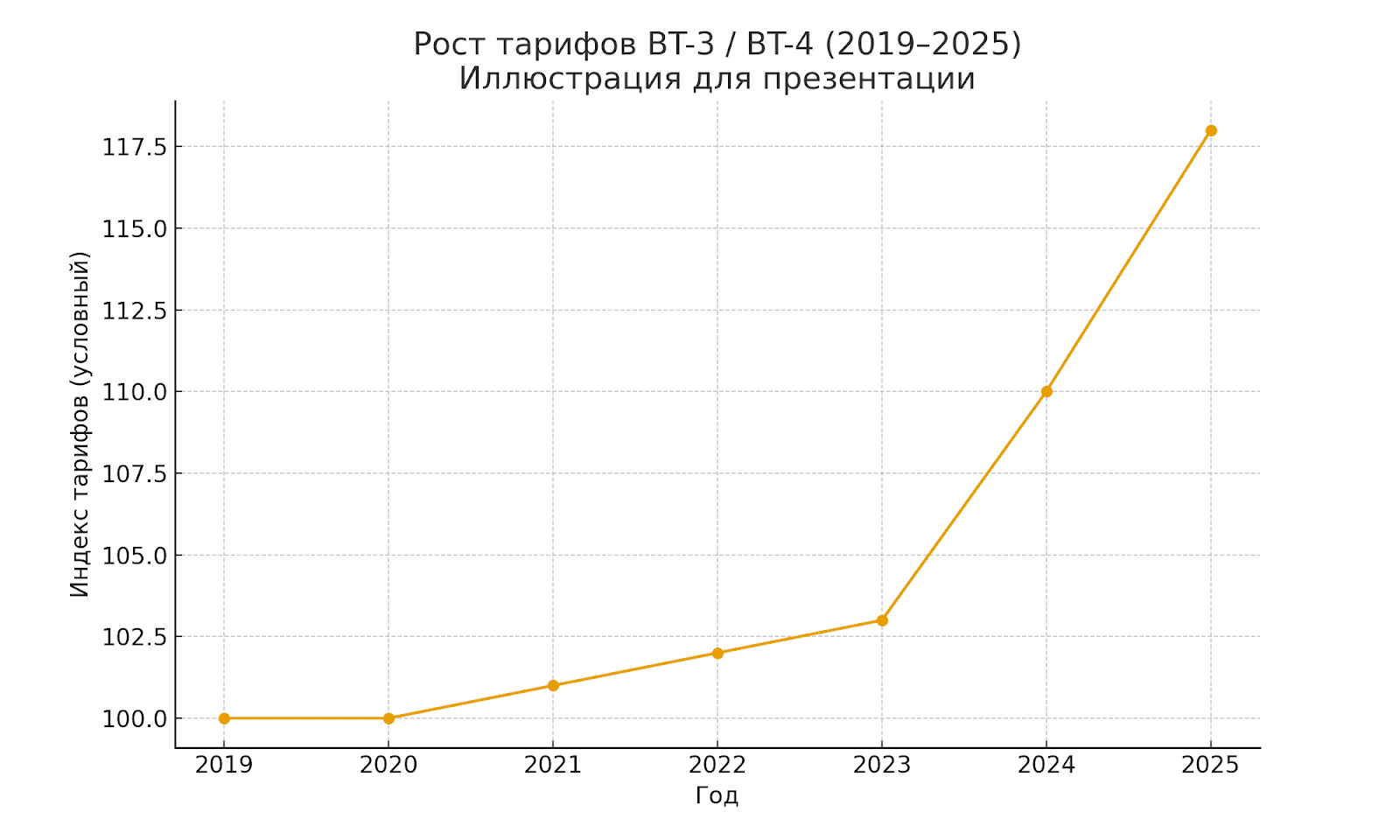
Using solar generation allows a business to lock in the cost of part of its energy consumption for the long term and minimize vulnerability to price fluctuations. This gives companies the ability to create financial plans over a horizon that was previously unavailable.
Cost Reduction Leads to Greater Pricing Flexibility
If a company pays 20% less for electricity, it gains the ability to manage product or service pricing more flexibly. Internal savings turn into a competitive tool: a business can maintain prices where competitors are forced to raise them or quickly adjust its offering depending on seasonal demand.
Thus, saving on electricity affects not only current expenses but also the company’s ability to secure a stronger market position.
ESG in Chile Is Becoming a Key Criterion for Market Access
For businesses focused on export and corporate supply chains, emission metrics and energy sourcing are no longer formal parameters. As noted in the Chile’s ESG Landscape 2024 report, companies increasingly require their suppliers to meet international sustainability standards. Procurement contracts and tenders now include the product’s CO₂ profile, energy origin, and share of renewable sources.
Companies that can verify their use of renewable energy gain a competitive advantage when forming partnerships. This affects the wine industry, fruit and vegetable exports, seafood production, food processing, and retail chains.
Reputation and HR: Sustainability as an Employer Advantage
In the labor market, especially in major cities, employee attention to corporate responsibility continues to grow. Companies implementing sustainable solutions are perceived as more stable and forward-looking.
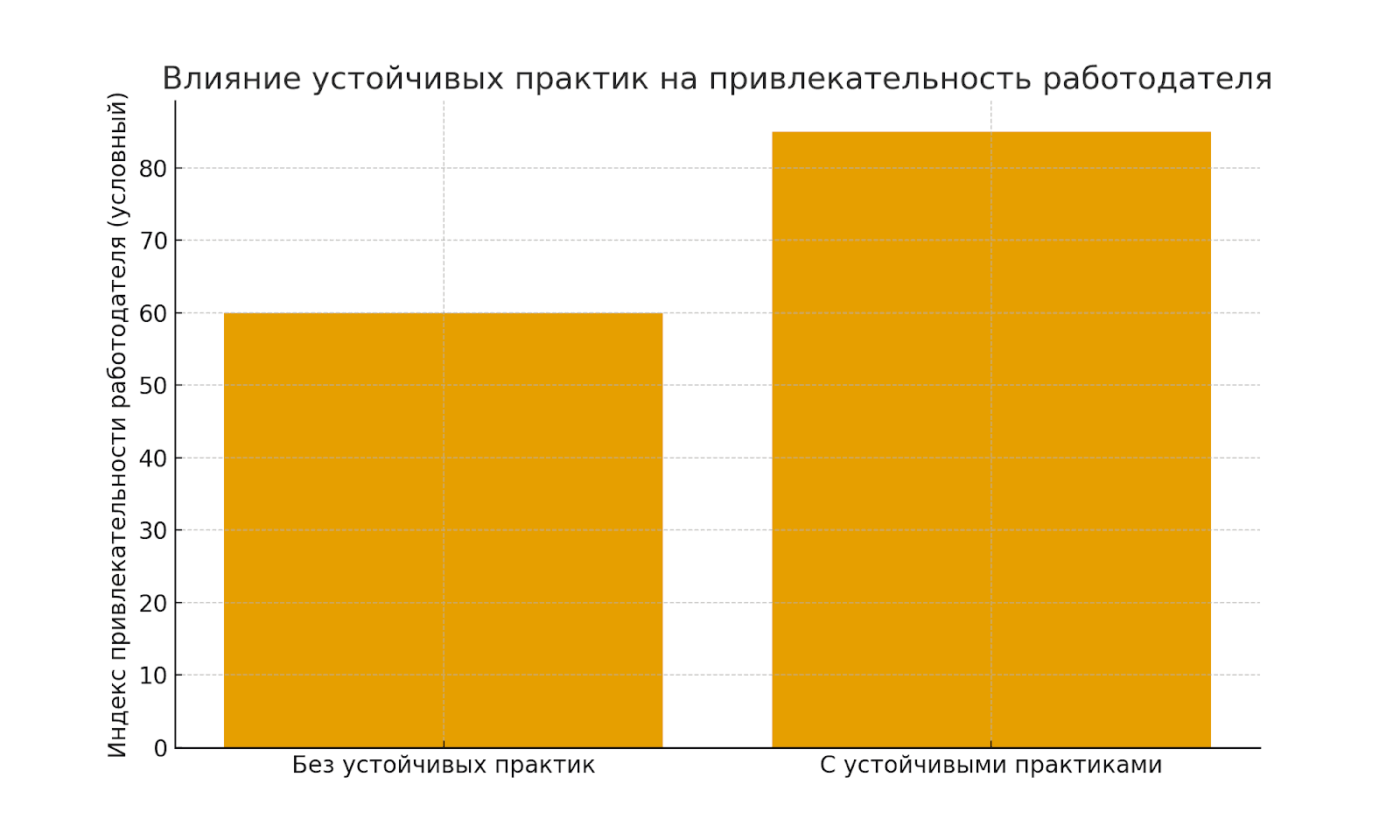
This helps reduce turnover, simplifies the hiring of qualified specialists, and strengthens partner trust. Loyalty and brand recognition thus become economically significant factors.
Chile Has a Natural Advantage for Solar Generation
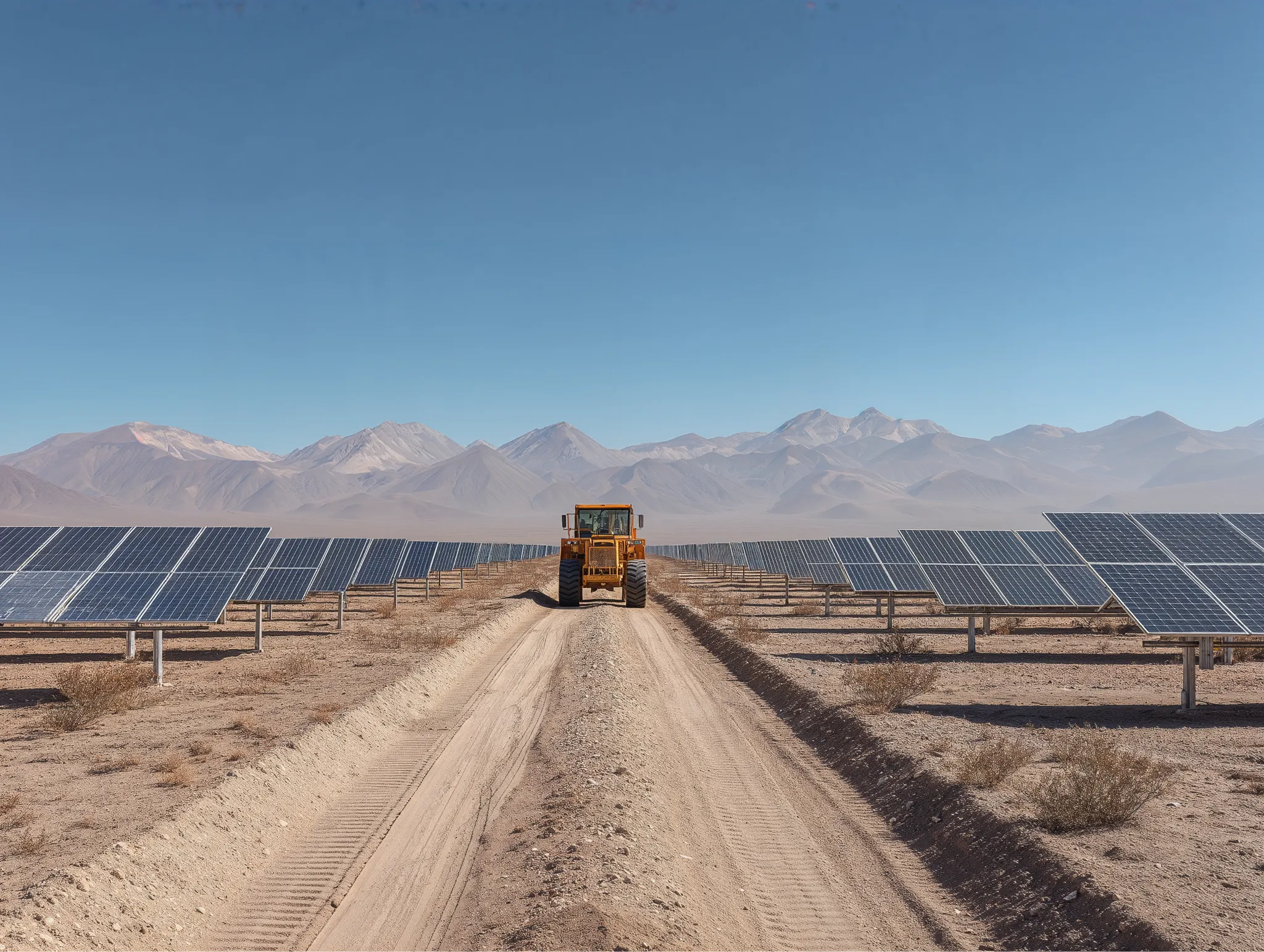
The northern part of the country has one of the highest levels of solar insolation in the world. This means more energy output per unit of installed capacity compared to most other regions.
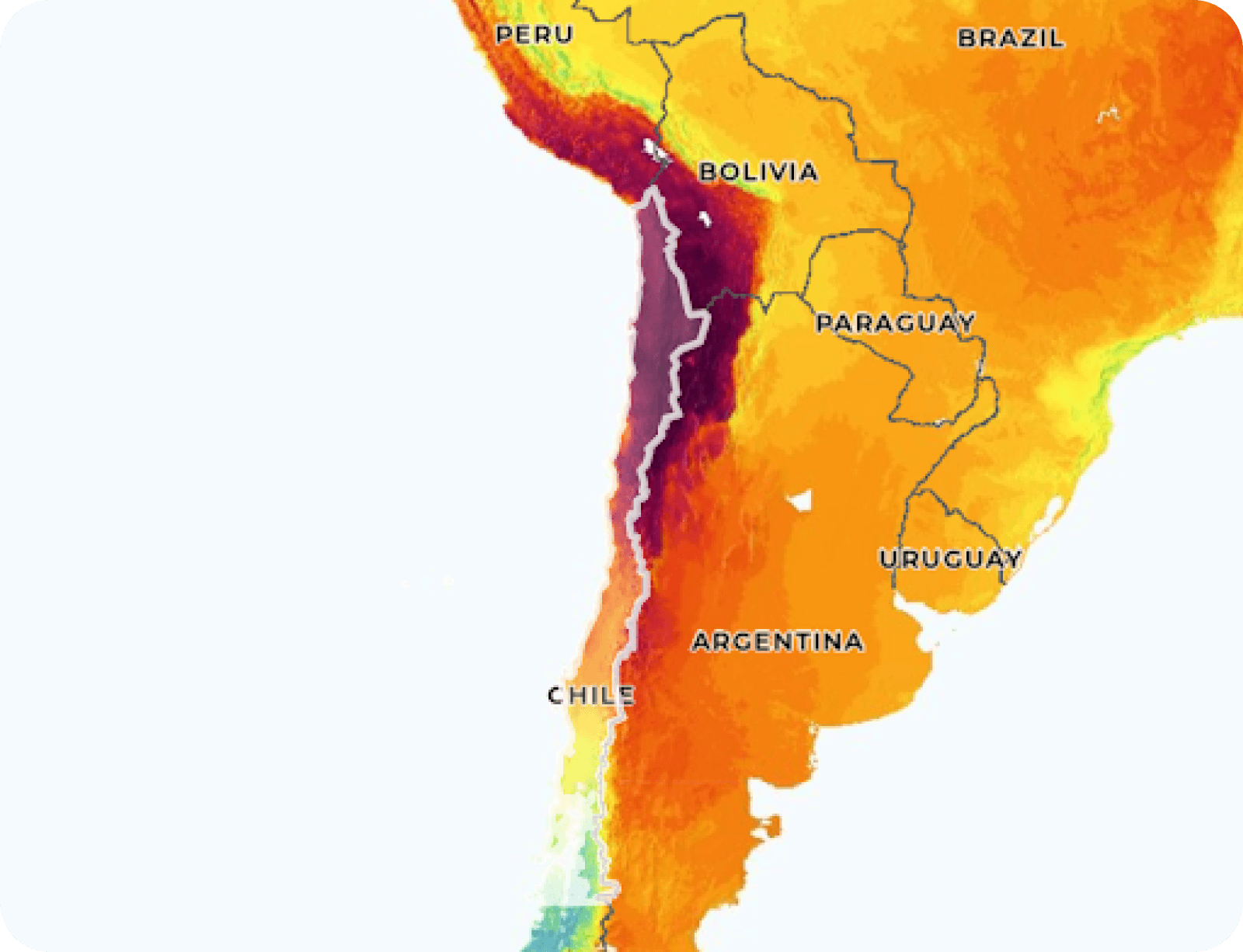
The legislative framework and availability of large industrial sites create conditions where switching to solar energy becomes an economically rational decision rather than an ideological choice.
The Transition No Longer Requires Complex Organizational Effort
Previously, installing solar plants required capital investment, contractor coordination, and technical management. Today, a new model is available — the solar operator model.
On average, the cost of installing a solar plant in Chile is around USD 2,000 per 1 kW of installed capacity. For a medium-sized business that needs a 100 kW system, the investment reaches approximately USD 200,000. With current tariff structures, the payback period is 7–8 years. During this time, capital remains “frozen,” and the business bears maintenance costs and technology upgrade risks.
If the same USD 200,000 is invested into business development with an expected net profit rate of 20% per year, that capital could grow to USD 750,000–900,000 over the same period. The difference is clear: self-financing energy projects reduces flexibility and slows growth.
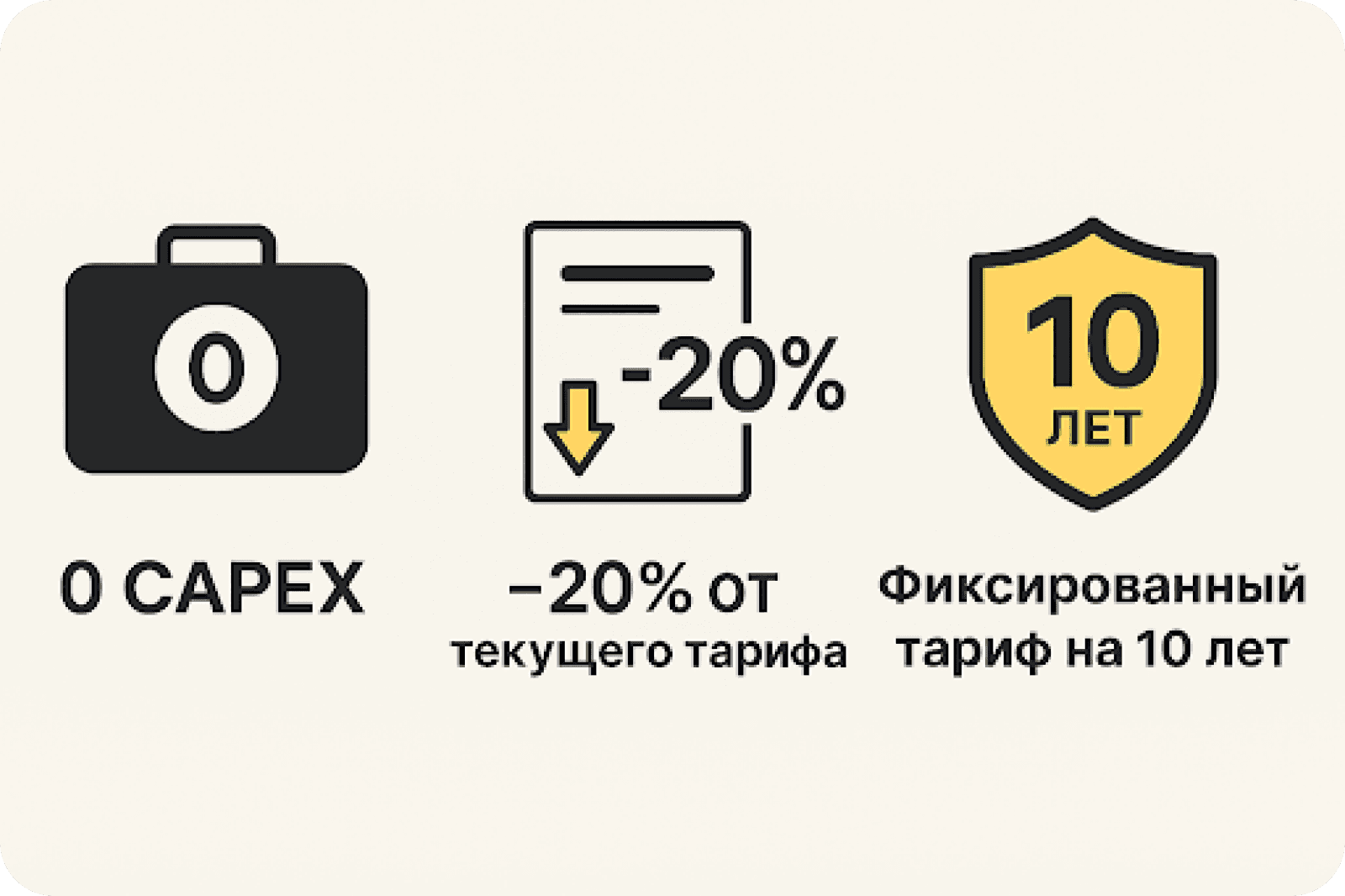
This is why the Partnergy model has emerged—a solar operator for businesses in Chile. The company supplies not equipment but energy as a service. The client makes no capital investment: the plant is installed on-site, and the business pays only for consumed energy at a rate approximately 20% below the current grid price. The rate is fixed for 10 years, providing cost predictability and reducing financial burden from the first month of operation.
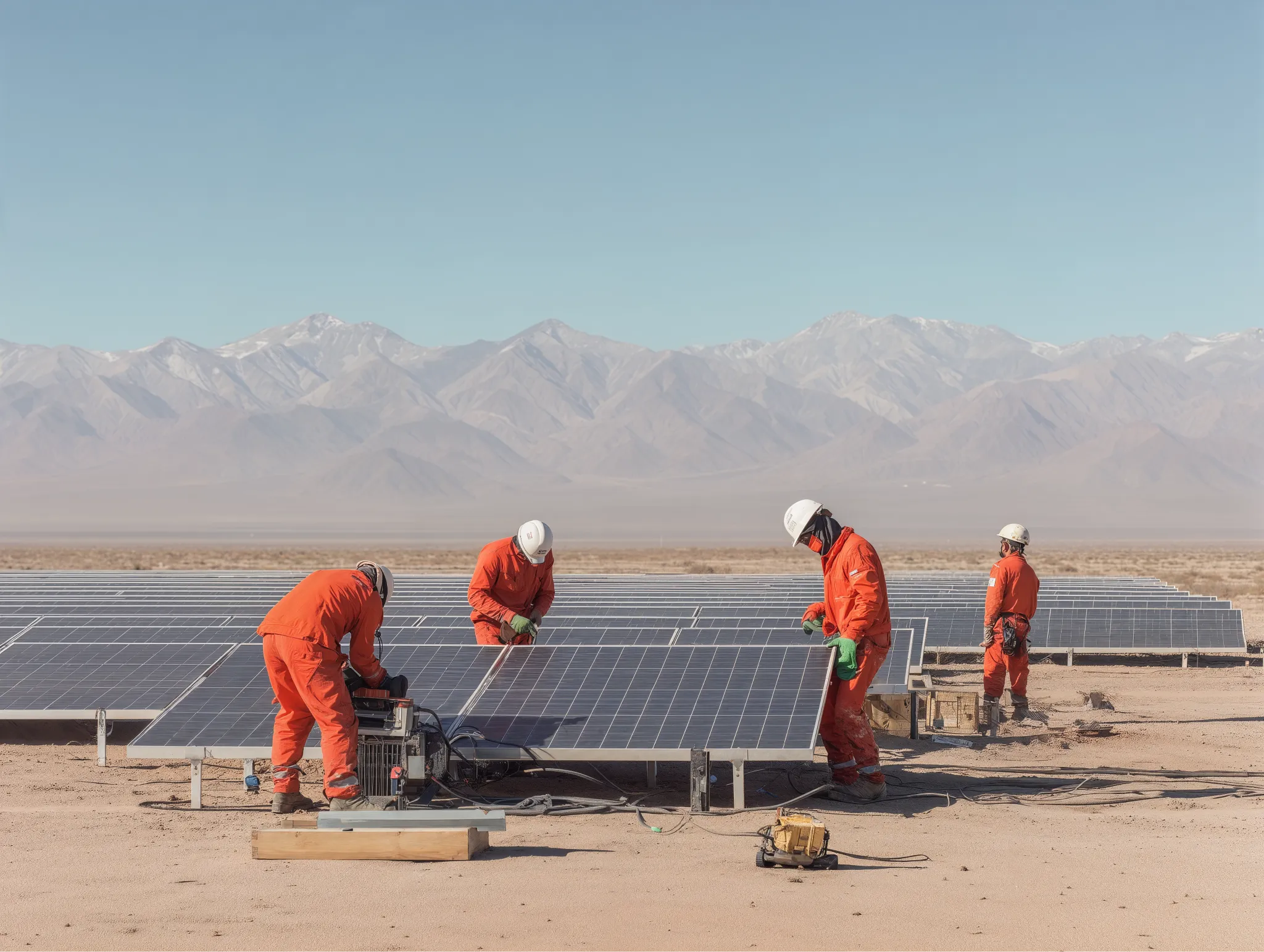
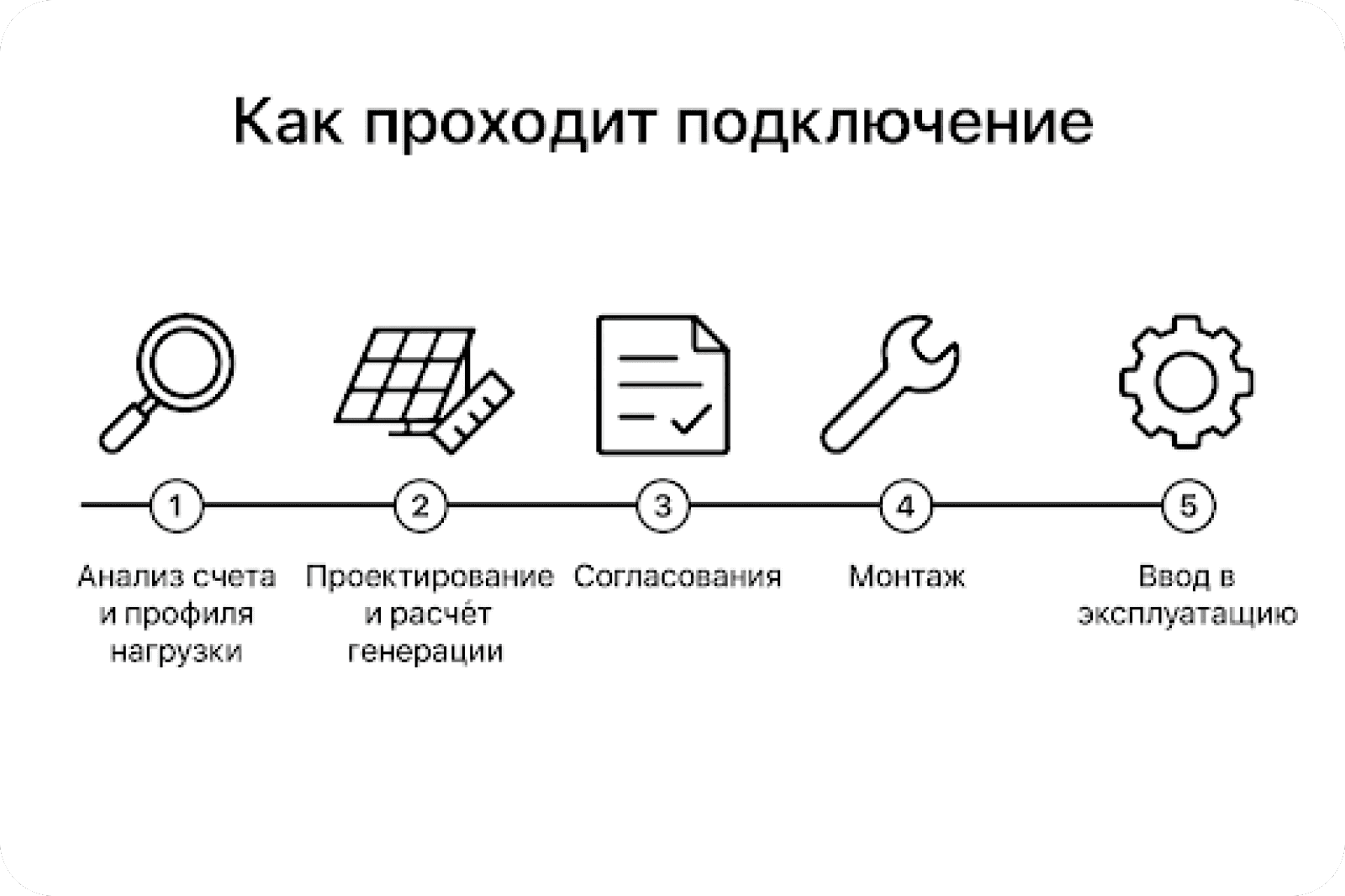
Partnergy handles the entire cycle: from bill analysis and load profiling to design, approvals, installation, and maintenance. This enables companies to implement solar generation without changing operational processes or diverting internal resources.
Conclusion
In 2025, the transition to solar energy in Chile became part of economic strategy. It affects production costs, margin stability, supply chain positioning, and a company’s attractiveness in the labor market.
Thanks to the country’s natural conditions and the availability of operator models, implementation has become accessible both in terms of time and organizational complexity. For businesses, this is an opportunity to secure an advantage that will soon become an industry standard.
Calculate Your Savings Now
It takes less than a minute. All you need is the amount from your latest electricity bill.